Table Of Content
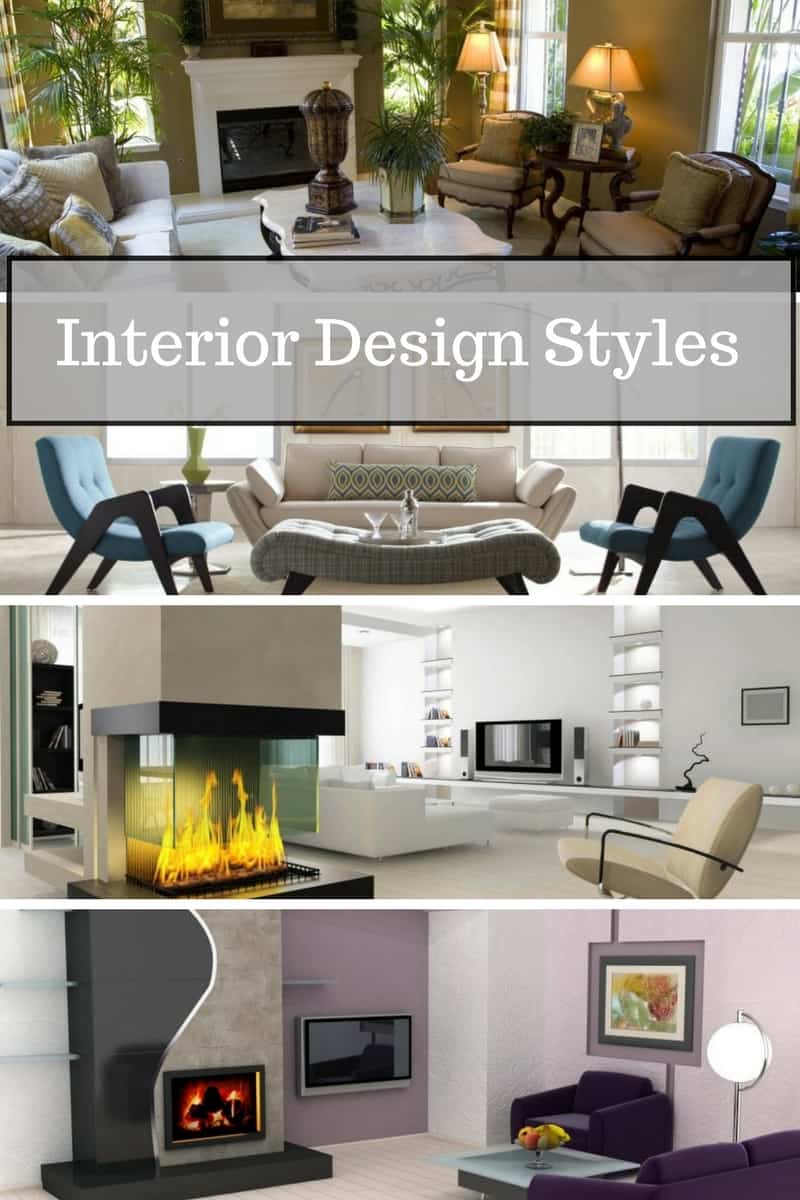
Establishing a tranquil link to nature inside the home using natural materials like wood, stone, and leather can contribute to mental well-being and relaxation. To create cohesive transitional spaces, repeat elements of color, texture, and shape with connecting elements like color transitions and understated embellishments in decor. Transitional design is considered timeless, providing a link between the past and the present by choosing elements that are less about capturing a moment and more about enduring appeal. Maximalism is loud but not arrogant, and when done well it will not be overwhelming but a harmonious burst of energy and delight.
How Can I Decorate My Front Door Entrance?
When it comes to defining different interior design types one of the most well-known styles is traditional interior design. Traditional interiors use tables and chairs made from dark wood that is ornately detailed. Traditional design draws its inspiration from 18th & 19th Century England and France. This explains why it’s common to find expensive textiles like silk, velvet, and linen used everywhere from upholstery to window treatments. Perhaps the most aesthetically pleasing aspect of the transitional design style is the mix of masculine and feminine.
Find the Perfect Type of Interior Design Style for Your Home
Scandinavian design is inherently architectural, thoughtful, and modern, all whilst being cozy and inspiring, it is no wonder that it is perhaps one of the most influential and iconic interior design styles around. Many homes happily embrace the concept of Hygge, especially at the onset of fall. Accenting a more modern scheme with unique vintage finds is easily done, or vice-versa, depending on your preferences and on the original style of your home. Design styles are abundant and unique, so it is up to you to find the style that will work best for you. There is also the option of combining elements of several styles in order to get that personal touch.
Related Articles
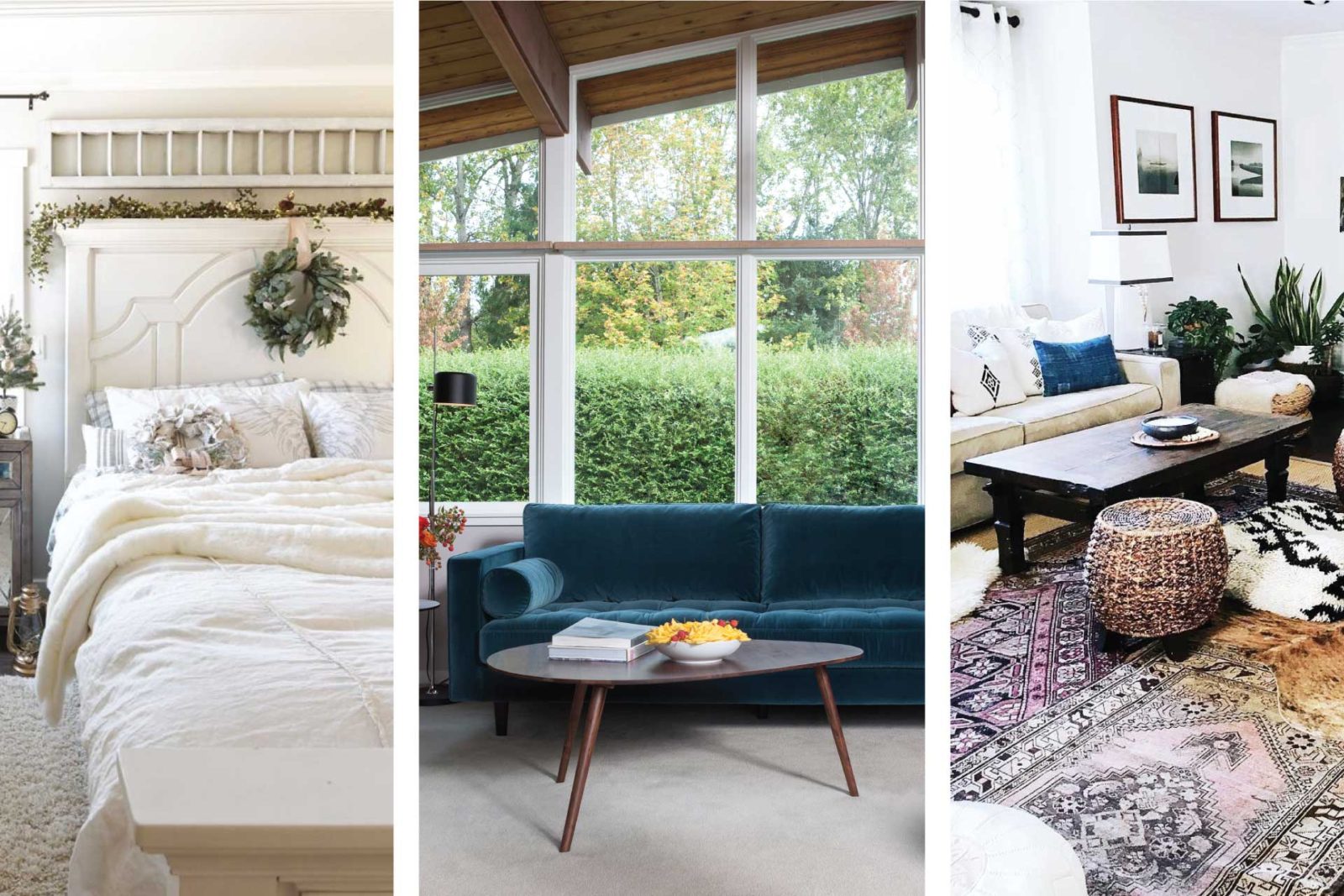
The boho aesthetic is a departure from any one style and instead embodies a more playful, free-spirited look. Inspired by the lofty factories of the late 19th and early 20th centuries, it's a design aesthetic that considers function first, then form. Though this look is decidedly feminine, it's much less delicate than its foremothers thanks to an eclectic array of prints and bold colorways. Click here to add Industrial Interior Design Style to your home decor with Decorilla’s ultimate guide.
English Country Style
Southwestern interior design style is inspired by the natural beauty and landscapes of the American Southwest. It features natural materials like wood, stone, and metal, as well as earthy colors and patterns. Furniture and accessories are often rustic and handmade, with a focus on comfort and functionality.
Interior Design Styles in 2024: A Comprehensive Guide
One distinguishing feature of Art Deco interiors is the use of exotic and luxurious materials. Lacquered finishes, exotic woods, and materials like shagreen or animal prints were commonly incorporated into furniture and decor. The style embraced a sense of opulence, using rich colors such as deep blues, golds, and silvers. These sumptuous hues and the use of plush textiles like velvet and silk contribute to the lavish atmosphere of Art Deco interiors.
#2: Contemporary Style
This style typically features exposed wooden beams, rustic furniture, and simple, minimalistic decor. If you’re looking to introduce texture, comfort, and warmth to your home, check out these farmhouse living room ideas and pick the one you love. Modern Farmhouse is an interior design style that offers a modern twist on its more rustic cousin. It does this through the use of a less cluttered, more minimal approach combined with a pared-back and neutral color palette. Mid-century furniture and industrial elements can be incorporated to give a more contemporary feel. Exposed wood beams, vintage accent pieces, and house plants complete this modern makeover of the traditional farmhouse look.
Japandi: the perfect blend
With a focus on timeless elegance and comfort, the sleek minimalist aesthetics of Mid-Century Modern interior design style exude a sense of understated sophistication. This style seamlessly blends retro and contemporary elements, creating a space that feels both familiar and innovative. We immerse ourselves in a vibrant tapestry of individuality and creativity with the eclectic interior design style. This style celebrates the art of mixing diverse elements like patterns, textures, and colors to craft a personalized and visually captivating space.
French country interior design style is one of the most popular design styles today. It is inspired by the French countryside, with its natural materials, muted colors, and simple shapes. When most people think of French country interior design, they think of the rustic look with lots of wooden furniture, floral prints, and maybe a few wrought-iron details. French country style can be elegant and sophisticated too, with muted colors, delicate fabrics, and intricate details. It’s common to see materials like metal and glass used because of their light-reflecting properties.
This minimalist interior design style originated in Australia and is still very popular there. The style emphasizes minimalism in all aspects of interior design, from simple furnishing to neutral color palettes, to functional but not flamboyant accessories. From the onset, it is important to note that “modern” and “contemporary” are two different interior styles. Black and white dominate the color palette, with some faded shades of blue, red, among other prime colors. Though the nautical style and coastal style are similar, the two terms are not interchangeable, and there are subtle differences between the two interior design styles. While both share a color palette inspired by the coast, coastal style interiors are more casual, while nautical style interiors can be more structured.
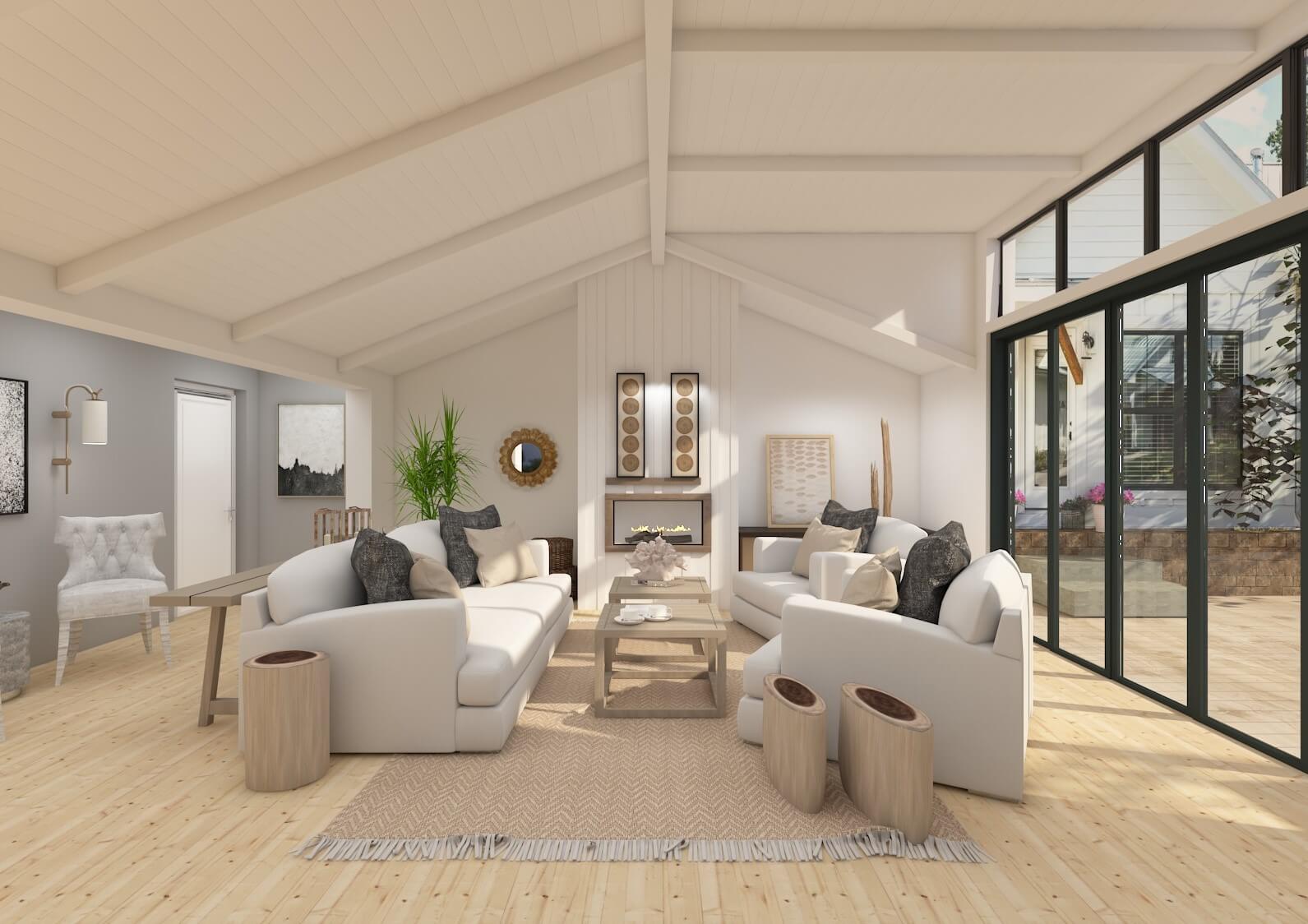
As the name suggests, a classic, traditional style does not follow current trends and is therefore timeless. Typically, light ceilings and neutral walls painted in cream, white, or sand tones serve as a base for dark, ornate, solid wood furniture made from cherry, walnut, or chestnut. In interior design, this special relationship is reflected largely through the use of materials such as natural stone, paper, and wood.
You can also incorporate suede, lacquer, leather, and metallic highlights. If your client likes wallpaper and carpeting, it will be suitable to incorporate. The style diffuses glamour and luxury marking the design as an epitome of complication. Where the home uses elements that appear old with a lot of wear and tear but are highly functional. Sometimes, new items are distressed to give the appearance of an antique.
An Interior Designer Explains How To Create A Home Office With Any Kind Of Space - House Digest
An Interior Designer Explains How To Create A Home Office With Any Kind Of Space.
Posted: Mon, 05 Dec 2022 08:00:00 GMT [source]
One of the main rules of interior design is to always "edit, edit, edit"—but that should come with a caveat. "More is always more," says designer and founder of Andrew Martin, Martin Waller. "Layer texture and pattern to create excitement in a home—more rugs, more art, more objects." A few popular patterns include; damask, florals, stripes, and plaids, for example.
Click here to check out our designers’ best tips to achieve your dream Scandinavian Interior Design. Whether it’s the gentle patina of weathered furniture or the flickering glow of candlelight, French country interiors have a magical way of evoking a sense of nostalgia and serenity. It’s a design style that captures the essence of a romantic countryside retreat, inviting you to immerse yourself in the welcoming atmosphere. The southwestern style as we know it today is not the same as it was when it first became noticeable in the design world. Southwestern interiors gather their inspiration from the soft lines of adobe houses, Spanish textiles, ironwork and nature. The essence of maximalist design lies in its ability to create unique, deeply personal spaces that defy the constraints of traditional design rules.
'I think the Scandi style will continue to grow as we are getting more and more conscious about our environment with the conscious use of space and light and with high-quality, long-lasting furniture. 'Traditional, with its various substyles like Victorian, Georgian, and Colonial, is a testament to timeless design,' notes Lauri. Global design incorporates elements from various cultures worldwide, creating a diverse and well-traveled aesthetic. Its rudiments include rich colors, bold patterns, and gold accentuations.


No comments:
Post a Comment